
 Polski
1
1379 tax excl.
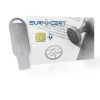
Example usage of Qualified Electronic Seal:
 Payments by bank transfer, Blik or by Card:
Visa, Visa Electron, Mastercard, MasterCard Electronic, Maestro

A qualified electronic seal is an advanced tool used not only to confirm the authenticity of electronic documents and protect them against unauthorized modifications, but also to authorize companies in the National e-Invoicing System (KSeF). It works immediately after issuance, without the need to wait for verification by the Tax Office.
Qualified electronic seal is an advanced tool used to authenticate electronic documents and protect them from unauthorized modifications. It functions similarly to a traditional seal used on paper documents but is fully electronic and carries the same legal validity.
A qualified electronic seal is generated using a qualified seal certificate. This certificate, based on cryptographic technology, is assigned to a specific company or organization. The qualified electronic seal acts as a digital mark that attests to the authenticity of an electronic document and ensures the integrity of its content.
The key features and applications of a qualified electronic seal are:
Authenticity: The qualified electronic seal confirms the authenticity of a document, providing information about its origin and its unchanged state since the seal was applied. This gives recipients of the document confidence that it was issued by an authorized entity and has not undergone any unauthorized alterations.
Integrity: The qualified electronic seal protects the integrity of a document, preventing manipulation or forgery. If the document is altered after the seal is applied, its verification will fail, indicating a breach of document integrity.
Legal validity: The qualified electronic seal carries the same legal value as a traditional paper seal. It is recognized by public administration authorities, courts, and other institutions as evidence in legal and administrative proceedings.
Security: The qualified electronic seal is based on advanced cryptographic technologies, ensuring a high level of security. It safeguards the document against unauthorized access and manipulation.
A qualified electronic seal has broad applications in various areas:
Document protection: A qualified electronic seal can be used to secure various types of electronic documents, such as contracts, invoices, financial reports, tender documents, or official documents. The seal confirms the authenticity and integrity of the document, protecting it from manipulation or forgery.
Document signing and authentication: A qualified electronic seal can serve as a means of signing and authenticating electronic documents. It acts as an electronic identity mark that confirms the document's issuance by a specific entity and its unchanged state since the seal was applied.
Document verification: A qualified electronic seal allows for document verification by third parties. Special tools and software can be used to verify the authenticity, integrity of the document, and the authority of the entity that applied the seal.
Public sector: Qualified electronic seals are applicable in the public administration domain. They can be used in communication processes with public institutions, document submission, data reporting, and within electronic public services.
Electronic business: In electronic business, a qualified electronic seal can be used for signing contracts, invoices, orders, tax declarations, and other business documents. It protects documents from manipulation and provides legal certainty in electronic transactions.
Document management systems: A qualified electronic seal can be utilized in document management systems such as electronic archives or content management systems. It assists in securing and authenticating electronically stored documents.
All these applications of a qualified electronic seal aim to enhance the security, authenticity, and integrity of electronic documents, as well as facilitate administrative and business processes in a digital environment.
IMPORTANT! By purchasing products that include Remote Identity Verification, you declare:
“I agree to the commencement of the service before the expiry of the 14-day withdrawal period and acknowledge that, once I gain access to the service, I will lose my right to withdraw from the contract.”
Identity verification is required for the issuance of qualified certificates, such as a Qualified Electronic Signature, Qualified Electronic Seal, and Qualified Website Authentication Certificate.
By starting the Remote Identity Verification service (i.e. by accessing the service), you automatically lose your right to withdraw from the contract. This also applies if the identity verification process is unsuccessful.
For identity verification, we accept one of the following documents:
✓ mDowód from the mObywatel application,
✓ Polish national identity card (physical card),
✓ Passport issued by any country.
No. If you have a valid qualified electronic signature, you can renew it yourself using the SecureDoc 2.0 application.
Example usage of Qualified Electronic Seal: